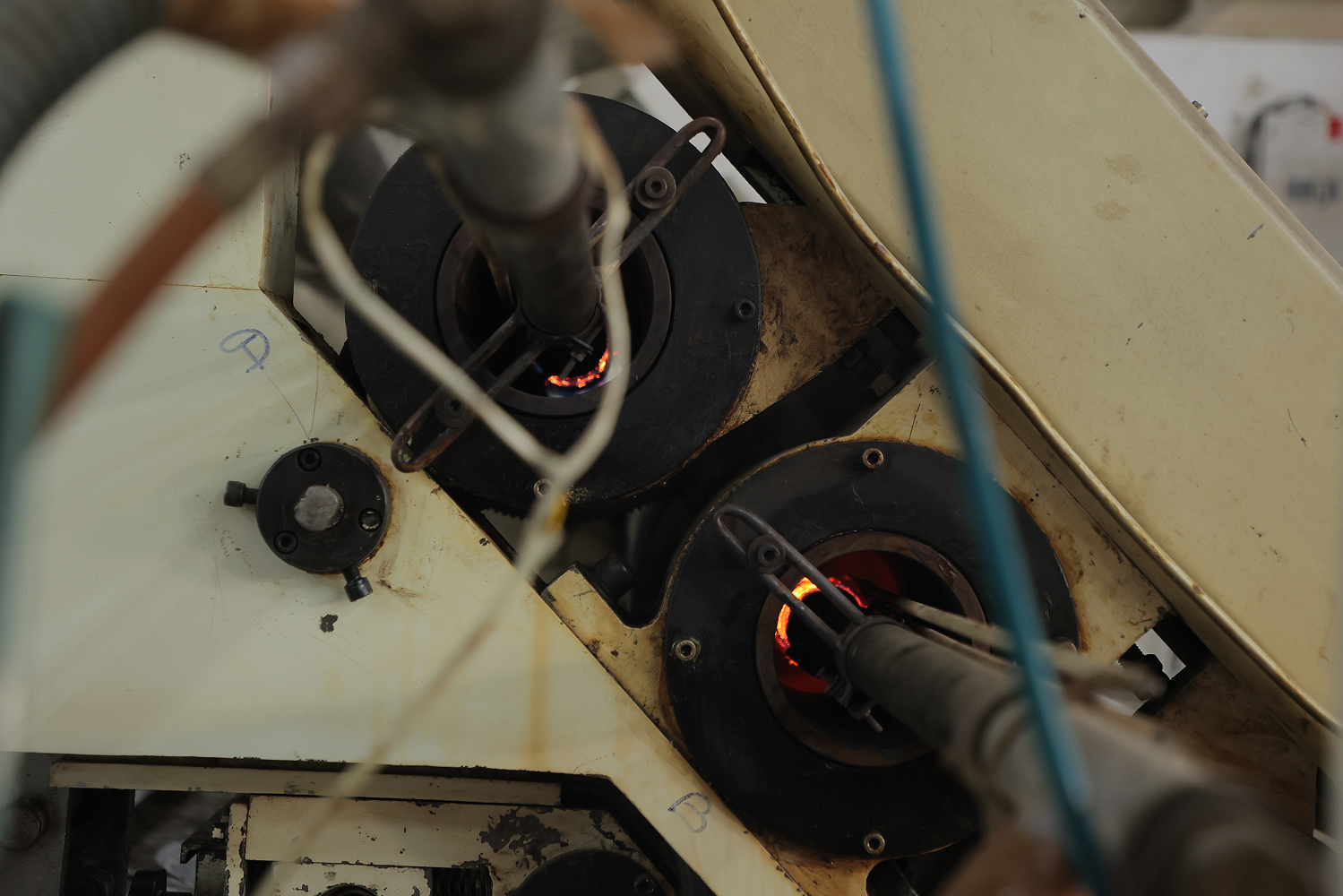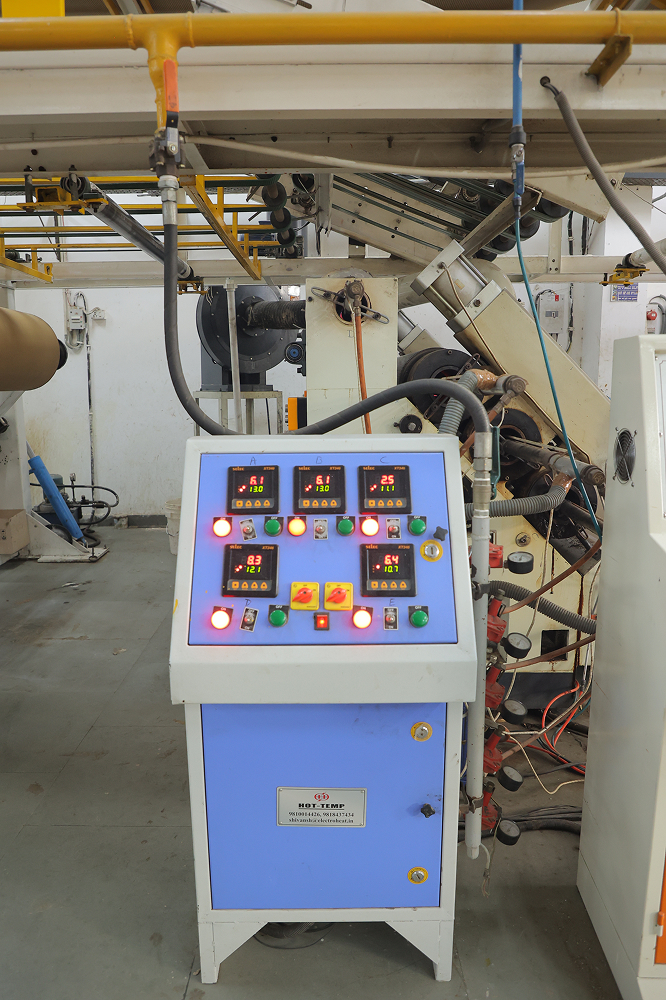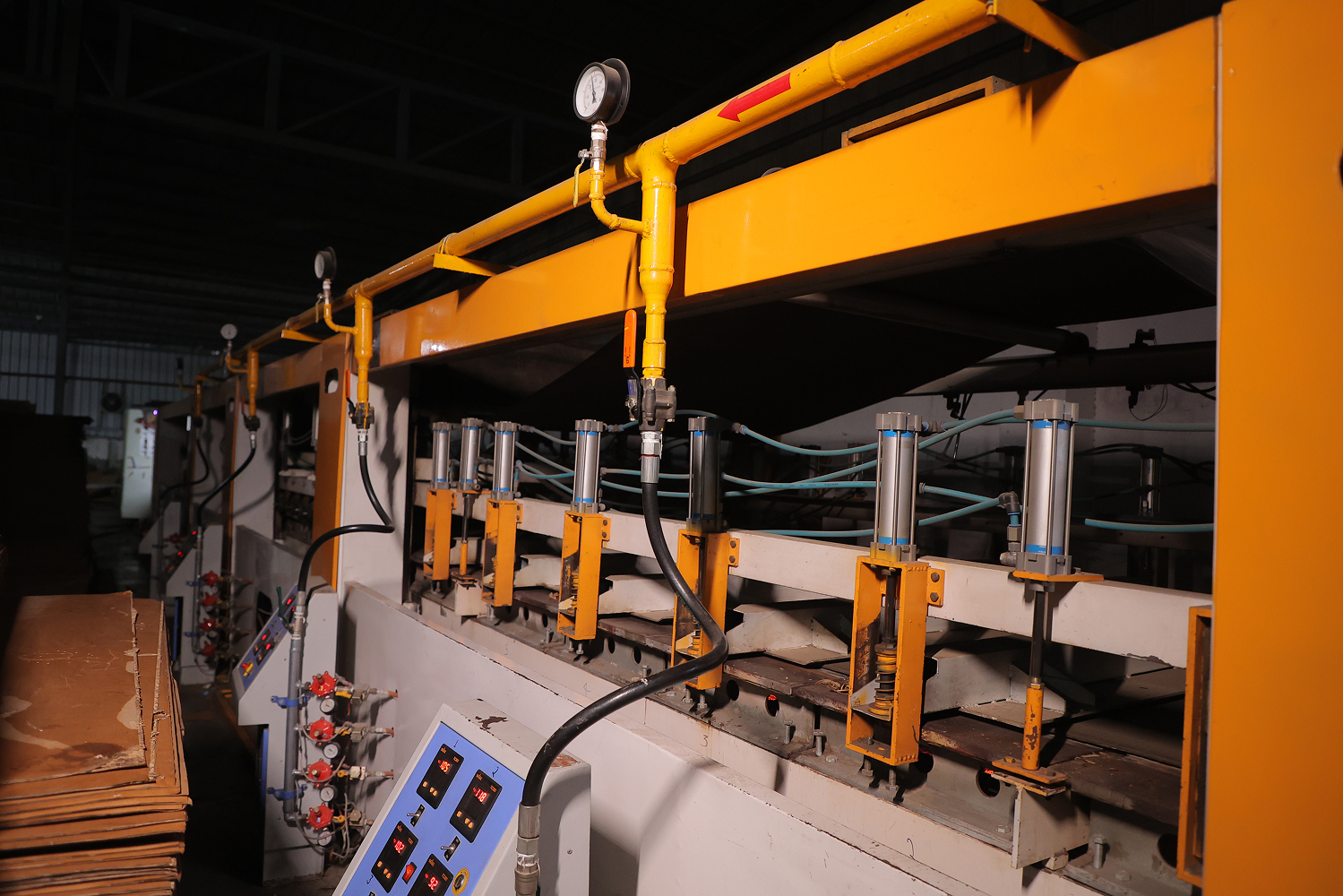

GAS HEATING SYSTEMS
A Practical Alternative to Electric Heating for Corrugation Machines
Gas heating has emerged as an important alternative to electric heating for corrugation machines, particularly where power availability, electrical load or generator capacity are limiting factors.
With relatively low initial investment and minimal modification to existing machines, gas heating can provide a practical way for corrugators to reduce their dependence on electricity while maintaining production.
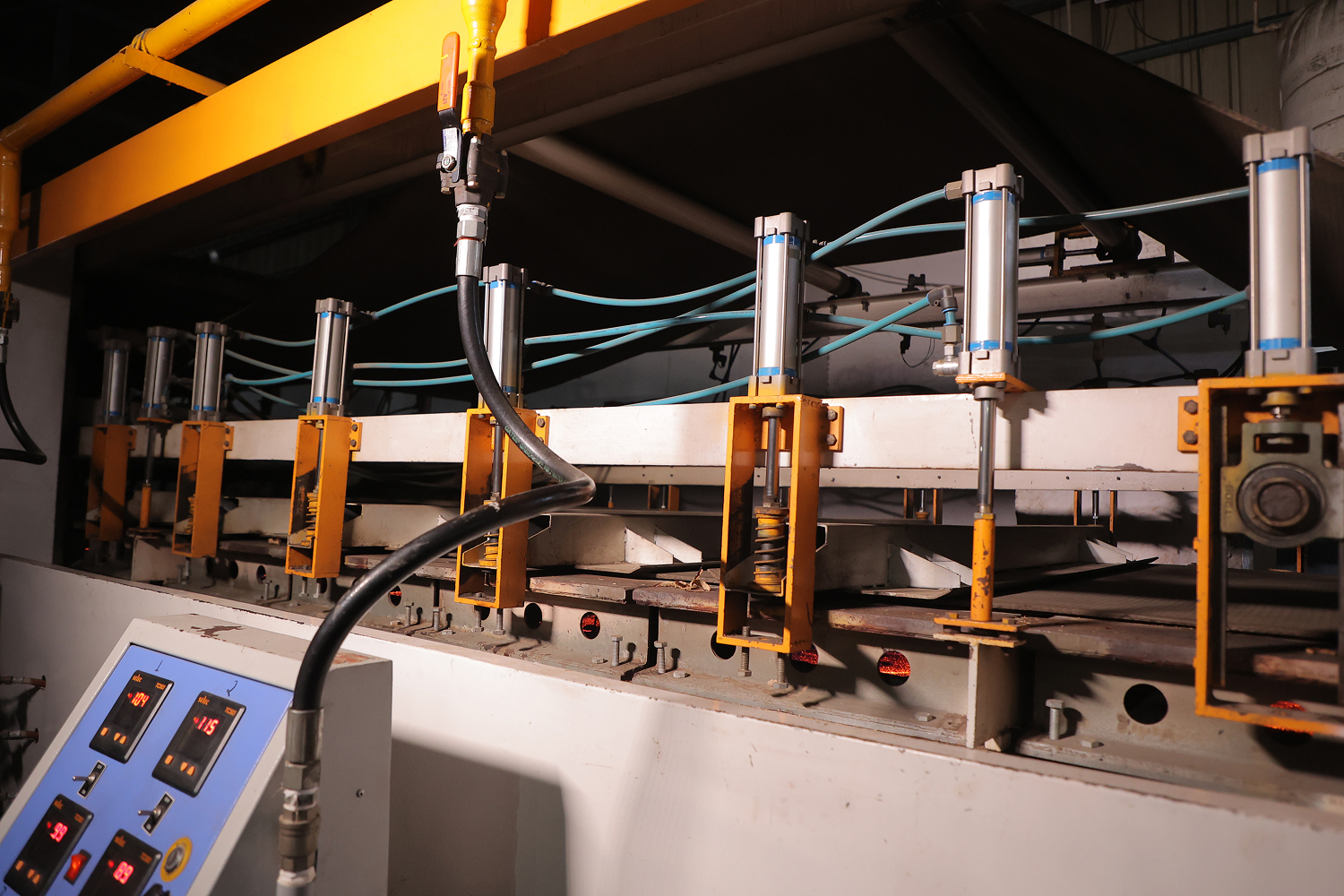
KEY ADVANTAGES
LOW INITIAL INVESTMENT
Gas conversion generally requires limited modification to an existing corrugation machine, making it a comparatively economical alternative to boiler-based heating systems.
LOWER ELECTRICAL LOAD
Replacing electric heating with gas can substantially reduce the heating-related electrical load of a box plant, lowering connected-load requirements and potentially reducing the required generator capacity.
PRACTICAL WHERE POWER IS A CONSTRAINT
Power interruptions, voltage fluctuations and inadequate electrical infrastructure can disrupt production. Gas heating provides an alternative source of process heat where electrical availability is a concern.
CONVENIENT FUEL AVAILABILITY
LPG is widely available and can be supplied directly to the plant, making gas a practical heating option for many corrugators.
GAS HEATING SYSTEMS FOR DIFFERENT MACHINE TYPES
Electro Heat offers a range of gas heating configurations designed for different types of corrugation machines:
| Gas Heating System | Application |
|---|---|
| Sliding Gas Heating System – Standard | Conventional corrugation machines with fingers |
| Gas Heating System – Infra Red | Conventional fingerless corrugation machines and imported fingerless machines with 280 mm diameter rolls |
| Gas Heating System – Infra Red with Panel |
Conventional fingerless corrugation machines and
imported fingerless machines with
280 mm diameter rolls |
| Heavy Duty Gas Heating System | Conventional fingerless corrugation machines |
This range allows the heating system to be matched to the machine configuration and heating requirements, rather than adopting a one-size-fits-all approach.
CHALLENGES THAT REQUIRE ATTENTION
Gas heating offers several advantages, but its performance depends heavily on correct system design, installation and operation.
Uniform Heating
Poorly designed burners can create uneven heat distribution across the corrugating rolls, affecting 2-ply quality. Correct burner design and positioning are therefore critical.
Gas Pressure & Fuel Quality
Variations in gas pressure can reduce heating performance and increase fuel consumption. Impurities in the gas supply can also restrict burner jets and reduce heat output. Appropriate filtration and fuel-line protection are important.
Safety
Since paper and corrugated board are highly combustible, gas heating requires appropriate safety systems, controls, installation practices and operator training.
Machine Maintenance
Improperly controlled flames can cause localised overheating of rolls, bushes and bearings, while excessive burner temperatures can accelerate burner wear. Regular maintenance and correct heat distribution are essential.
Running Cost
The economics of gas heating depend not only on the initial investment but also on supply chain resilience, fuel consumption and prevailing gas prices. These should be evaluated when comparing gas with alternative heating technologies.
THE RIGHT GAS HEATING SYSTEM MAKES THE DIFFERENCE
A reliable gas heating solution must achieve the right balance of:
UNIFORM HEATING | CONSISTENT FUEL SUPPLY | SAFETY | EFFICIENT HEAT UTILISATION
Gas heating can be an effective solution where electrical power is constrained, provided the system is properly engineered, safely installed and correctly operated.
Video
Images